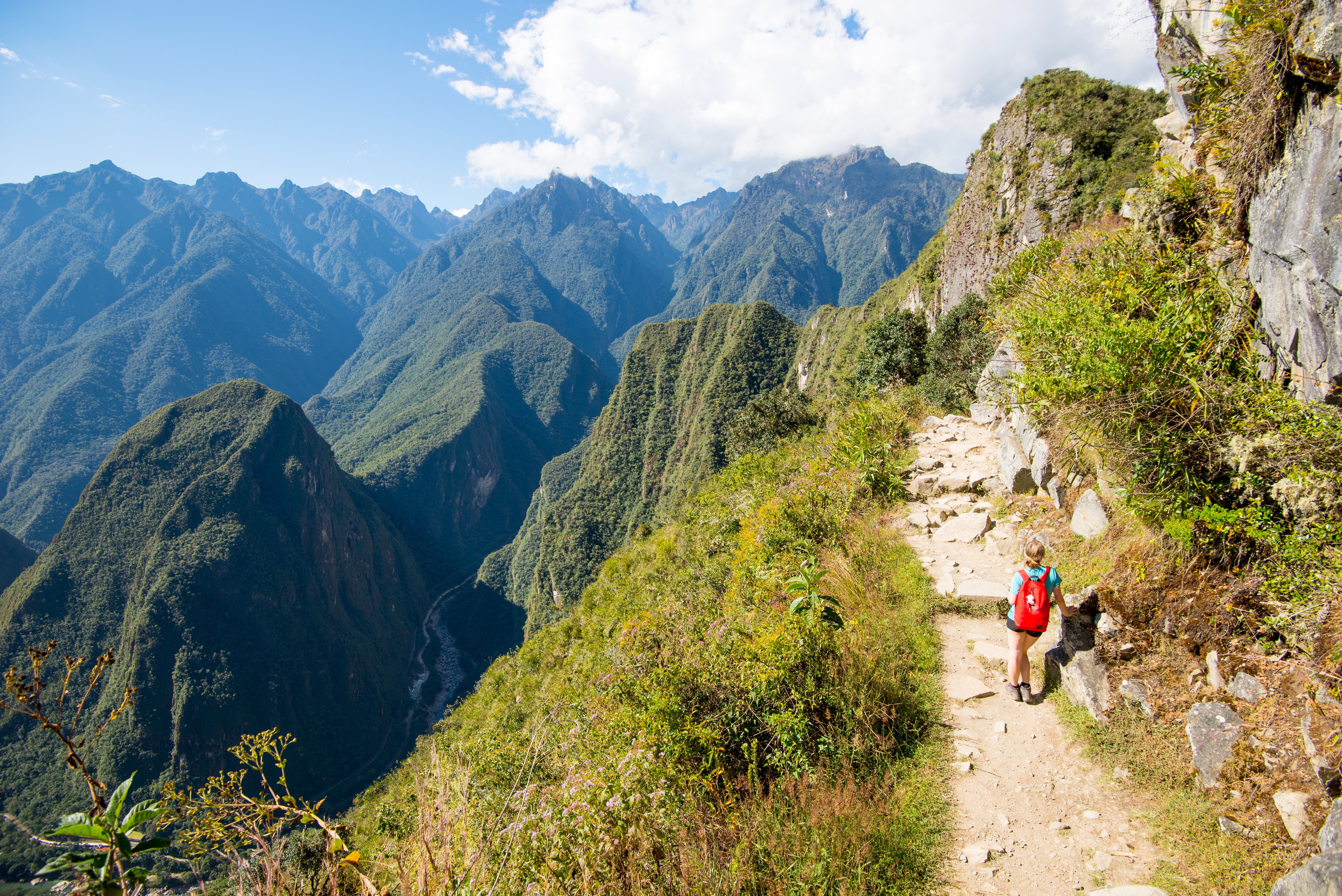


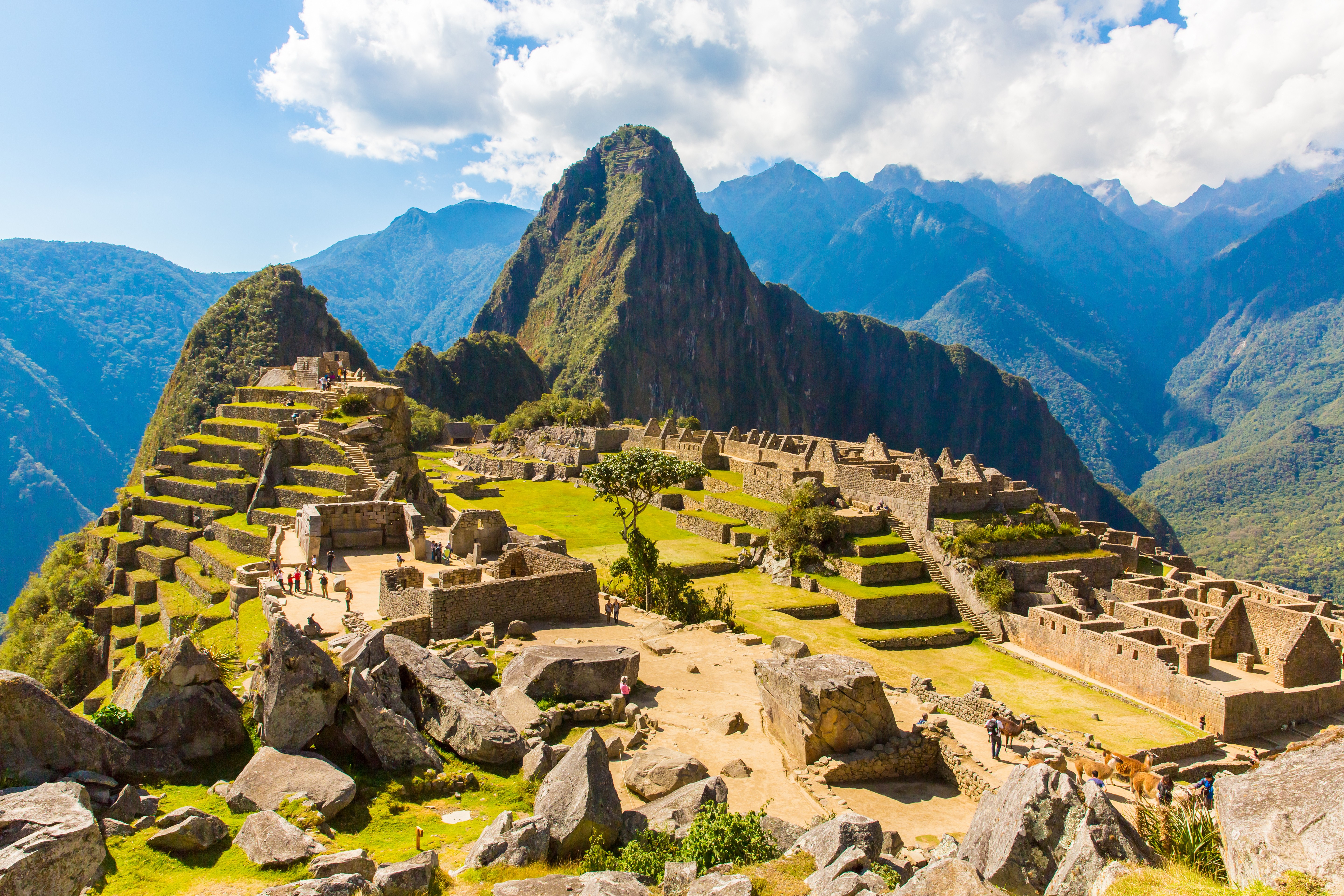
Perched on a narrow ridge 2,430 metres high in the Andes, the 15th-century Inca city of Machu Picchu has endured for over 500 years. It has survived earthquakes, landslides, and torrential rainfall that would have reduced a modern structure to rubble. This remarkable longevity is not an accident; it is the result of a holistic and integrated engineering philosophy that treated the mountain, the structures, and the environment as a single, unified system.
This ancient marvel provides a masterclass for modern capital projects: the most resilient and valuable assets are not just built on the environment; they are built with it.
In many modern projects, the different engineering disciplines work in silos. The civil team designs the foundations, the structural team designs the buildings, and the hydraulic team designs the drainage. This "over the fence" approach often leads to conflicts, inefficiencies, and, most dangerously, critical gaps. The drainage system may not be able to handle the runoff from the new structures, or the foundations may not be designed to account for the specific geotechnical risks of the site, leading to long-term instability and high maintenance costs.
The Inca engineers who built Machu Picchu were the ultimate "systems thinkers." Their genius was in seeing the site as a single, integrated challenge.
Foundation First
They did not just build on the ridge; they secured it. Approximately 60% of the engineering at Machu Picchu is underground: a deep foundation of crushed rock and hundreds of agricultural terraces that actively stabilise the slope and prevent erosion.
Mastering Water
They designed a sophisticated drainage and canal system that perfectly manages the heavy rainfall, preventing it from destabilising their foundations.
Resilient Design
They used a unique "ashlar" masonry technique, fitting massive stones together without mortar, with inward-tilting walls. This design allows the stones to "dance" during an earthquake and resettle into place, making the structures virtually earthquake-proof.
This was a holistic solution where the earthworks, hydraulics, and structures were all part of a single, unified, and brilliant design.

At MPX, our Engineering, Project Management, and Operational Integration services are built on this same holistic, "Lifecycle Stewardship" model. We break down the silos between disciplines to deliver a single, integrated solution that is resilient, safe, and truly fit for purpose.
We see the "whole board," ensuring that:
Engineering is not just technically compliant but is perfectly integrated with the site's environmental and operational realities.
Project Management provides the governance to ensure all disciplines (civil, electrical, control systems) are working in harmony toward a single goal.
Operational Integration ensures the final, complex system is handed over to a team that is fully trained and equipped to run it.
We don't just build the parts; we deliver a single, functioning, and enduring whole.
Is your foundation as strong as your structure?
Have you invested as much in the "unseen" parts of your project (like site drainage, geotechnical stability, and data foundations) as you have in the visible "superstructure"?
How do the systems talk to each other?
What is the plan to manage the handovers between your civil, structural, electrical, and control systems teams to ensure nothing is missed?
Is it built to "dance"?
Have you identified the single biggest external risk to your project (e.g., seismic activity, flood, cyclone, market crash) and inc orporated a resilient design that allows it to "dance" and survive?
Machu Picchu endures because its builders understood that a project is a single, integrated system. By applying this same holistic engineering philosophy, you can move beyond building disconnected parts and create a truly resilient, valuable, and enduring asset.
Contact MPX to learn how our integrated engineering and project management services can bring a new level of resilience to your next capital project.