

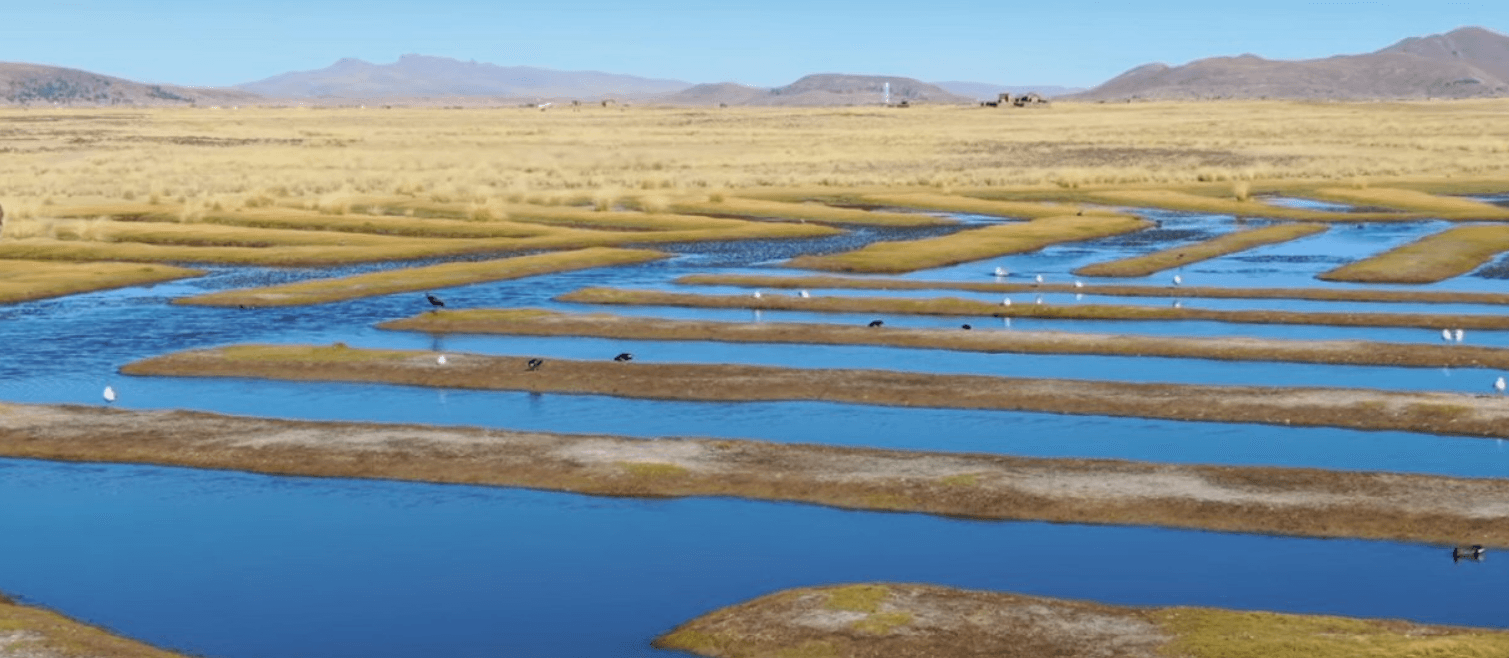
In the harsh, high-altitude plateau around Lake Titicaca, the Tiwanaku empire (c. 200-600 AD) built a thriving civilisation and sustained a large population. Their success in a region plagued by floods, drought, and devastating frosts was not a miracle; it was an engineering marvel. They invented a unique agricultural system known as suka kollus, or raised fields, that was so effective it created its own microclimate.
This ancient innovation is a profound lesson in resilient engineering: the most elegant solutions do not fight the environment; they harness its challenges to create a stable, productive system.
Many modern industrial projects are designed with a "one-size-fits-all" approach that fails to account for the unique challenges of its operational environment. A control system that works perfectly in a temperate climate will fail in the extreme heat of the Pilbara. A standard drainage plan will be overwhelmed by a tropical wet season. This failure to design for the specific terrain leads to inefficient operations, frequent downtime, and a constant, reactive battle against the local environment.
The Tiwanaku engineers faced two primary threats: seasonal floods and nightly frosts. Their solution, the suka kollus, solved both problems at once. These were raised platforms of soil built for cultivation, separated by a network of water channels.
During the day, the sun's heat was absorbed and stored by the water in the channels.
At night, this stored heat radiated out, creating a blanket of warm, moist air that protected the crops from the killing frost.
During the wet season, the channels provided a sophisticated drainage system that prevented the crops from being waterlogged.
This was a brilliant piece of engineering that turned the region's two greatest liabilities—excess water and intense sun—into the core components of its success.

At MPX, our Engineering and Process Optimisation services are built on this same principle of resilient, site-specific design. We understand that an industrial plant is not a generic asset; it is a complex system that must thrive in its specific environment.
We specialise in tailoring solutions to meet unique operational challenges:
Environment-Specific Design
Our engineering teams design electrical, control, and network systems that are "hardened" to withstand their specific environmental stresses, from heat and dust to moisture and cold.
Process Optimisation
We analyse your operations to find "suka kollus" solutions—intelligent ways to turn your operational constraints into advantages, such as using waste heat from one process to power another.
Holistic Integration
We ensure that all systems (power, control, safety) work in harmony with the physical plant and the local environment, creating a single, resilient, and highly productive operation.
What is our "frost"?
What is the single biggest environmental or operational risk that threatens our project's success (e.g., extreme heat, dust, intermittent power, water scarcity)?
Are we fighting it or harnessing it?
Is our current solution just a "thicker wall" against the problem, or is it an intelligent design that uses the challenge to its advantage?
Does our design create a "microclimate"?
How does our system of engineering and processes work together to create a stable, predictable, and self-regulating operational environment?
The suka kollus of the Tiwanaku are a timeless testament to resilient design. They prove that the most successful engineering does not just withstand its environment, but integrates with it to create a system that is stronger, smarter, and built to endure.
Contact MPX to learn how our expert engineering services can build a more resilient and productive solution for your unique environment.