

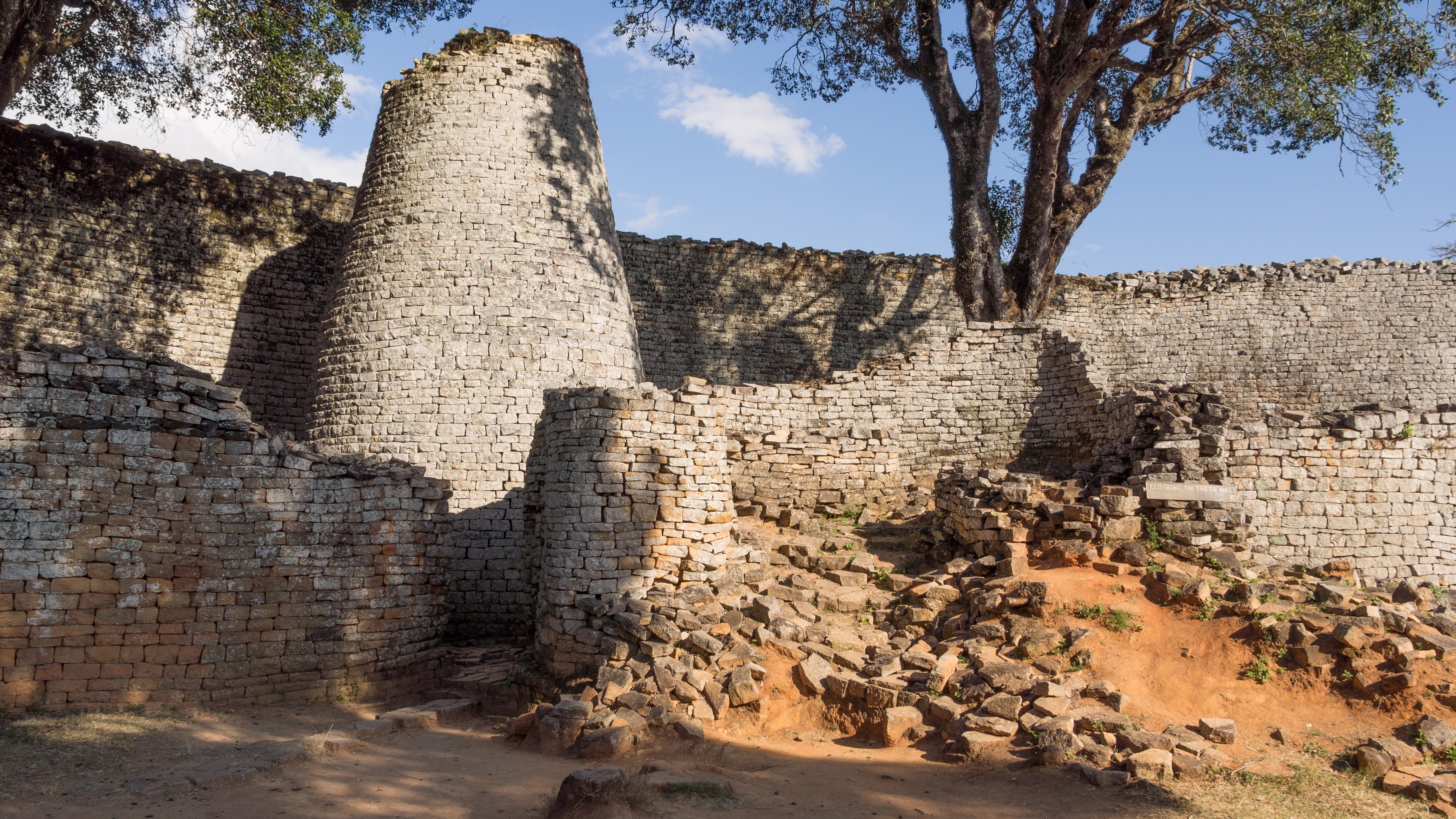
In the 11th century, on a plateau in southern Africa, the Shona people began construction on a monumental city: Great Zimbabwe. Its most famous feature, the Great Enclosure, is the largest pre-colonial structure in sub-Saharan Africa. But what makes it an engineering marvel is not just its scale, but its technique. The massive, 11-metre-high walls were built entirely without mortar, using a sophisticated dry-stone method. These walls have stood for 900 years, a testament to an engineering philosophy built on precision, craftsmanship, and permanence.
This ancient achievement provides a profound lesson for modern engineering and strategic planning: what you build is only as good as the foundation you lay and the quality you demand.
In today's fast-paced world, many projects are executed with a focus on speed and short-term cost, not on long-term value. We build systems that meet the minimum specification, we choose components that are "good enough" for today, and we cut corners on planning to meet an aggressive deadline. This "built-for-now" approach creates a legacy of technical debt, high maintenance costs, and systems that fail long before their intended lifespan, ultimately costing the organisation far more in the long run.
The builders of Great Zimbabwe were master craftsmen who worked from a clear "mental template" of excellence. The dry-stone technique requires immense skill and patience; each granite block had to be individually quarried, shaped, and placed to fit perfectly with its neighbours. The distinctive chevron patterns and the sheer, stable verticality of the walls show a high standard of craftsmanship and a deep understanding of structural forces. This was not a quick or easy way to build, but it was the right way. They chose to build an enduring monument, not a temporary shelter.

At MPX, our Engineering and Strategic Planning services are guided by this same principle of permanence. We believe that a project's true value is measured not at its commissioning, but over its entire lifecycle. We reject the "built-for-now" mentality and instead focus on delivering tailored solutions that are robust, resilient, and engineered to endure.
This philosophy is embedded in our processes:
Strategic Planning
We begin with comprehensive feasibility studies and business cases that align the project with your long-term goals, not just immediate needs.
Engineering Excellence
Our engineering designs, from electrical systems to automated controls, are built on a foundation of precision, safety, and reliability.
Asset Management
We focus on the full lifecycle, ensuring that what we design and build can be efficiently operated and maintained for decades to come.
We bring a modern-day "master craftsman" approach to every project, ensuring that the solutions we deliver are a source of value, not a future liability.
Is it Built for 9 Years or 900?
Look at your project's core design. Are the component choices and design decisions based on the lowest upfront cost, or the lowest total cost of ownership over the asset's full life?
What is Our "Mental Template"?
Does every member of the project team, from the executive to the contractor, have a clear and shared understanding of what "excellence" looks like for this project?
Where are We Using "Mortar"?
Where in the project are we using "quick fixes" (the mortar) to hide poor design or execution, rather than taking the time to fit the components together perfectly?
The walls of Great Zimbabwe are a timeless reminder that quality is the best business plan. By investing in meticulous planning and expert engineering, you can move beyond building for the short term and create assets that, like those ancient stone walls, deliver value for generations.
Contact MPX to learn how our engineering and strategic planning services can help you build your own legacy of operational excellence.