


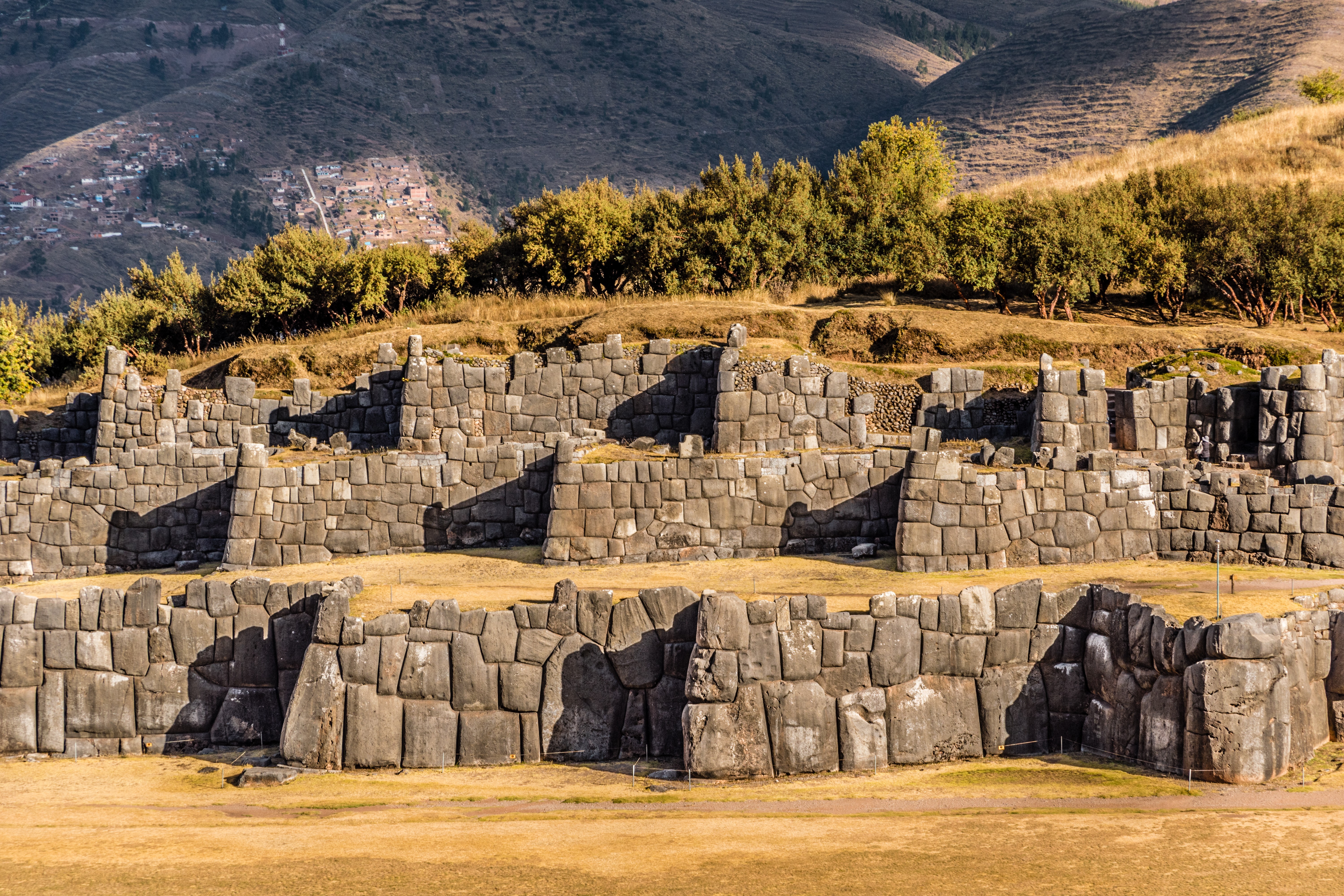
Looming on the hills above Cusco, Peru, the massive Inca fortress of Sacsayhuamán is a breathtaking monument to ancient military engineering. Built in the 15th century from limestone blocks weighing up to 125 tons, its most famous feature is its three-tiered, zigzagging terrace walls. This iconic design was not a stylistic choice; it was a brilliant and ruthless piece of defensive engineering, designed to actively mitigate risk and annihilate any attacking force.
Sacsayhuamán provides a timeless lesson for modern risk management: a truly robust system is not just strong, but is intelligently designed to neutralise its most likely threats.
In modern industry, we often address risk with a "straight wall" mentality. We build a single, strong, but passive defence. We create a safety procedure and assume it will be followed. We install a firewall and assume it will hold. This approach is brittle; it relies on the wall never being breached. It fails to account for a dynamic attacker or a complex, evolving hazard that can simply find a way around, over, or through the static defence.
The Inca engineers at Sacsayhuamán understood the flaws of a passive "straight wall." An attacking force could rush a straight wall at all points simultaneously. The zigzagging design was a brilliant solution that turned the fortress itself into a weapon.
It Eliminated "No-Go" Zones
The angled walls ensured that every inch of the fortress's exterior could be seen and defended from above. There were no blind spots.
It Created "Kill Zones"
The zigzagging pattern broke up any direct charge, forcing attackers into narrow, exposed channels.
It Enabled Flanking Fire
An attacker attempting to scale one section of the wall would be exposed to a lethal crossfire from defenders on the two adjacent walls (the "flanks").
This was a design that actively managed the threat, neutralised the attacker's advantages, and maximised the defender's strength.

At MPX, our Engineering and Health & Safety Leadership services are built on this same principle of "defensive design." We believe that the safest and most resilient operations are those that don't just have procedures; they have risks that have been "engineered out" at a fundamental level.
This mindset is at the core of our Functional Safety (SIL) expertise. We don't just add an emergency stop button; we analyse the entire machine to identify every potential failure mode. We then design a system of automated controls and interlocks—a "zigzag wall" of logic—that actively prevents a hazardous state from ever being reached. This is the art of building a system that is inherently safe, not just procedurally safe.
What is our "straight wall"?
What is the one risk in our operation that we are protecting with a single, passive defence (like a single procedure or a single sensor)?
What is the "zigzag"?
How can we redesign the process or system itself to make that risk impossible? Can we engineer a "flanking" control that provides a redundant layer of protection?
Are we creating "kill zones"?
How can we design our process to make failure as visible and as contained as possible, preventing a small error from cascading into a catastrophic event?
The walls of Sacsayhuamán are a 600-year-old masterclass in proactive risk management. They teach us that a system's true strength lies not in its passive bulk, but in its intelligent design. By adopting this "defensive engineering" mindset, you can build operations that are not just strong, but are actively and inherently safe.
Contact MPX to learn how our engineering and functional safety experts can help you build a more robust and defensible operation.