

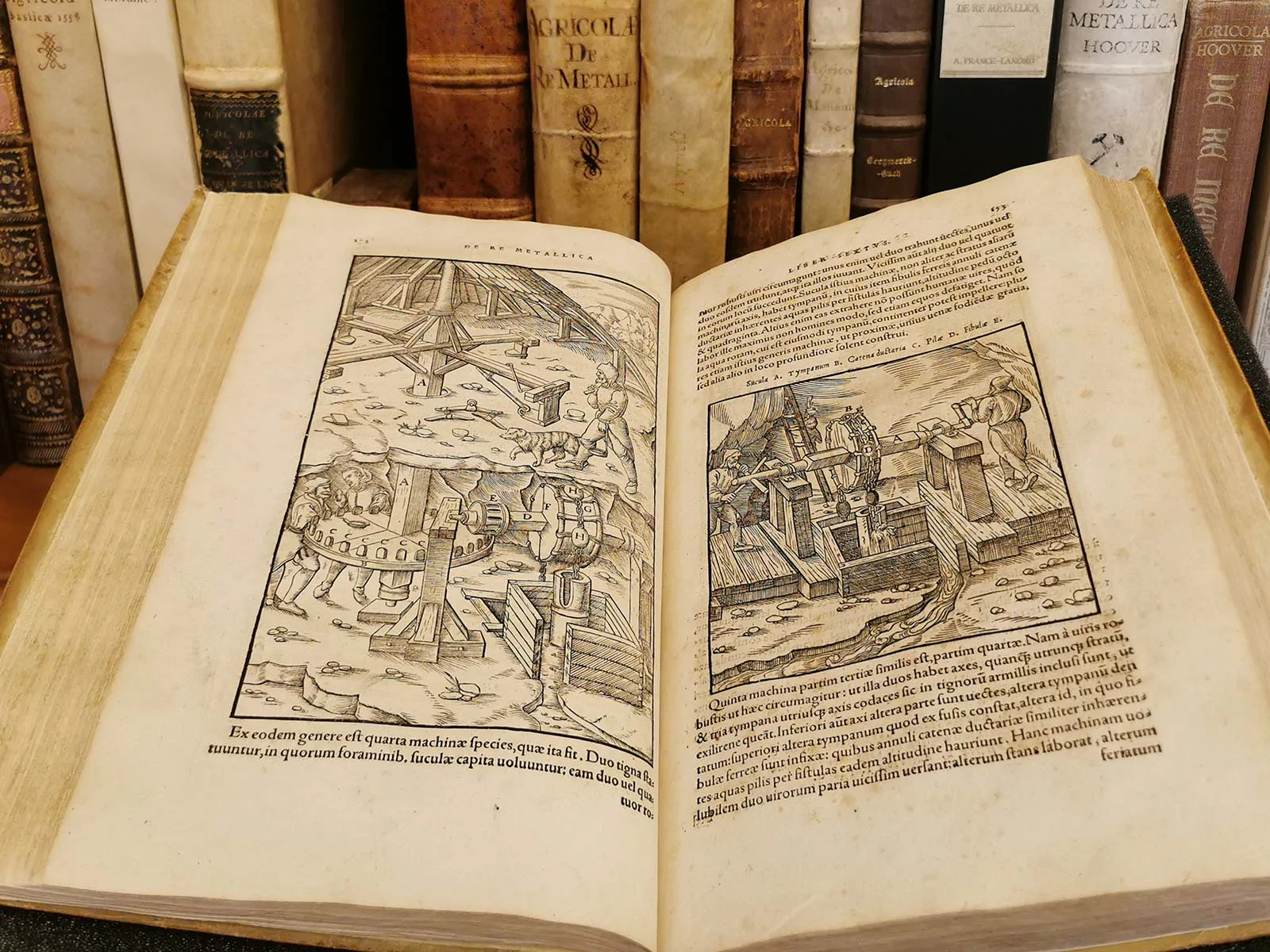
For centuries, the arts of mining and metallurgy were shrouded in secrecy. Knowledge was passed down orally from master to apprentice and was closely guarded from the outside world. In 1556, a German scholar named Georgius Agricola changed everything with the publication of De re metallica ("On the Nature of Metals"). This monumental, 12-volume book was the first comprehensive, practical, and systematic text on mining and smelting, and it remained the authoritative work on the subject for over 180 years.
This event, which we can call the "Agricolan Shift," marks the transformation of mining from an oral craft into a scientific discipline. It holds a profound lesson for modern industry: the most valuable asset you have is not your equipment, but your knowledge.
In many industrial operations today, a vast amount of critical knowledge still exists only in the minds of the most experienced workers. This "unwritten rulebook" includes how to handle a specific process upset, how to maintain a finicky piece of equipment, or how to perform a complex task safely. This reliance on oral tradition creates immense operational risk. When these experienced employees retire or leave, their knowledge walks out the HSEC door with them, leaving the organisation vulnerable, inefficient, and exposed.
Agricola's genius was not that he invented new mining techniques. His genius was that he observed and documented them. He spent years in mining towns, meticulously cataloguing the state-of-the-art methods for everything from shafting and tunnelling to pumping, ventilation, and smelting. His book, filled with detailed illustrations, provided the first scientific classification of minerals and a clear, repeatable guide to the entire process. By writing it all down, he transformed a guarded craft into an open, accessible science, enabling knowledge to be shared, improved upon, and preserved for generations.

At MPX, our Operational Readiness and Operational Integration services are built on this Agricolan principle. We believe that a resilient, high-performance operation runs on clear, accurate, and accessible documentation. Our embedded team of Technical Writers and specialists works with your subject matter experts to capture their deep knowledge and translate it into world-class operational documents.
We create the systems of work, standard operating procedures, maintenance strategies, and training manuals that form the "single source of truth" for your operation. This is not just about compliance; it is about capturing your unwritten rulebook and transforming your operational knowledge from a fragile oral tradition into a durable corporate asset.
Identify Your "Masters"
Who are the "go-to" people in your operation? Who does everyone turn to when a difficult problem arises? These individuals hold the most valuable unwritten knowledge.
Conduct a "Knowledge Audit"
Sit with these experts and ask them to walk you through a critical task. Ask "why" they do each step. The goal is to extract not just the what but the why—the deep reasoning behind their actions.
Make it Visual, Make it Simple
Use photographs, simple diagrams, and clear, step-by-step language. A good technical document is not a complex novel; it is a clear, scannable guide, like the illustrations in Agricola's De re metallica.
The Agricolan Shift taught us that the act of documenting knowledge is what enables continuous improvement and resilience. By capturing the expertise of your team and building your own modern De re metallica, you create a foundation for a safer, more efficient, and more enduring operation.
Contact MPX to learn how our Technical Writing and Operational Readiness teams can help you capture and preserve your most valuable asset.