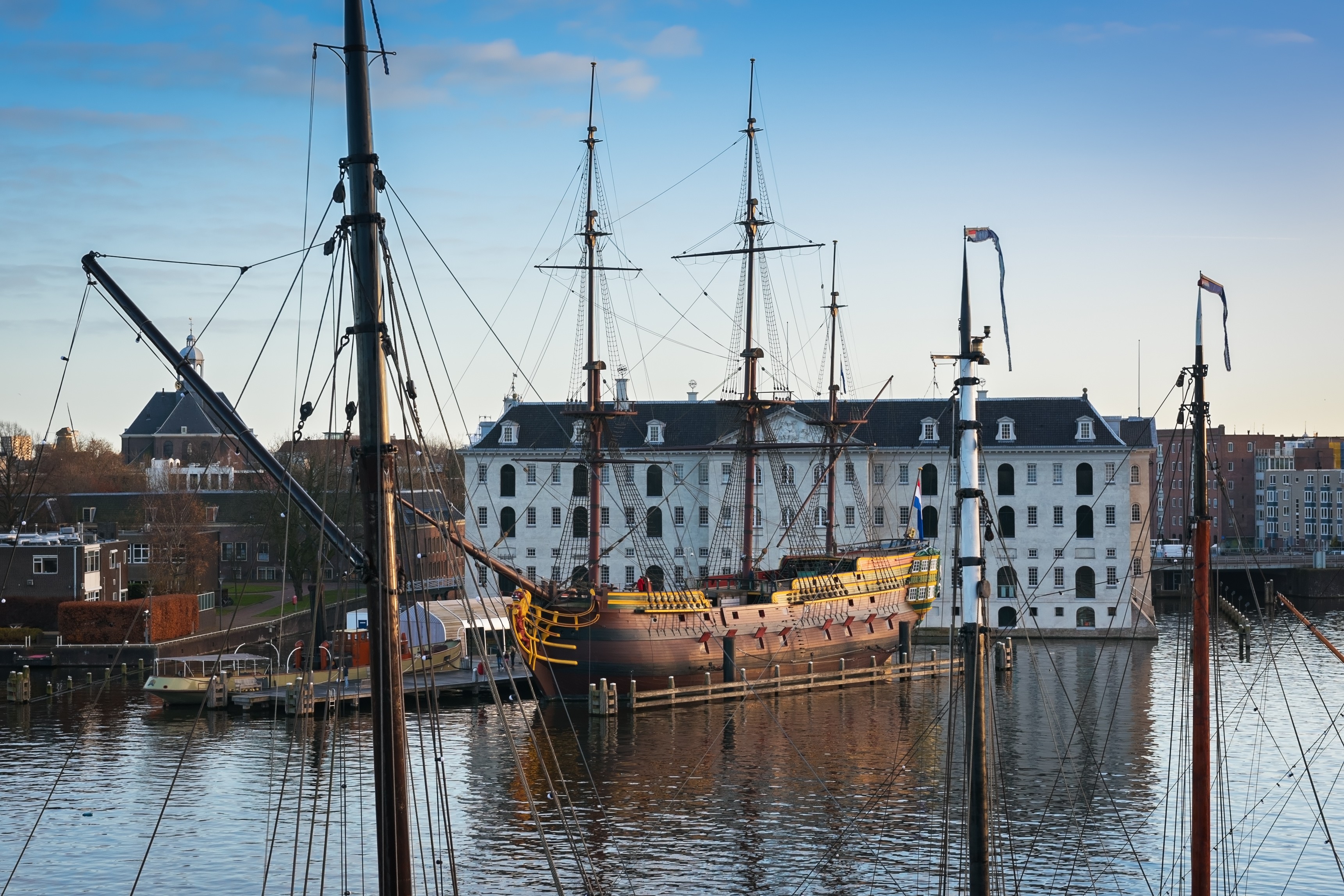
In 1602, the Dutch East India Company (VOC) was founded. It was not just a trading company; it was the world's first multinational corporation, a state-like entity with the power to wage war, sign treaties, and build colonies. For nearly 200 years, it dominated global trade, managing a massive, complex logistical network that spanned half the globe, from Amsterdam to Japan. Its success (and its eventual failure) provides a powerful, large-scale lesson in the critical importance of project governance and stakeholder management.
This article explores how the VOC model demonstrates the need for a strong, centralised governance structure to manage complex, geographically dispersed projects.
Many modern organisations with multiple large-scale projects or operational sites function like a loose, inefficient federation. Each site manager or project director runs their own "fiefdom," with different reporting standards, different priorities, and little communication with the central office. This lack of alignment leads to duplicated efforts, wasted resources, missed opportunities for standardisation, and a complete inability for senior leadership to get a clear, accurate picture of the entire portfolio.
The genius of the VOC was its revolutionary governance structure. It was run by a 17-member board of directors, the "Heeren XVII," who acted as a central "Project Management Office" (PMO). This board set the grand strategy, allocated capital, and managed the immense risks of global trade from a single, unified command centre in Amsterdam. They then empowered their captains and governors overseas to execute that strategy with a degree of autonomy, but all were ultimately accountable to the Heeren XVII. This model combined centralised strategic control with agile, decentralised execution.

At MPX, our Project & Program Management services are designed to provide this strong, central governance for your most complex initiatives. We believe that a one-size-fits-all PMO is ineffective. Instead, we work with you to design a tailored Project Management Office (PMO) that acts as your "Heeren XVII," bringing a single, unified command structure to your entire portfolio.
Our PMO services establish:
A Single Source of Truth
We implement robust processes for status reporting and scheduling, ensuring that leadership receives clear, accurate, and standardised data from all projects.
Strategic Alignment
We ensure every project remains laser-focused on the overarching strategic goals set by your organisation's leaders.
Informed Decision-Making
We provide the data-driven insights and clear communication channels that allow your leadership to make sharp, timely decisions.
We help you master the governance required to manage a complex "empire" of projects, ensuring your entire portfolio is aligned and delivering value.
Who is the "Heeren XVII"?
Is there a single, clearly defined body in your organisation with the authority to start, stop, and strategically guide all major projects?
Is Reporting Standardised?
If you receive status reports from three different projects, are they in the exact same format, measuring the same key metrics?
Are Your "Captains" Empowered?
Do your project managers on the ground have the clear authority they need to execute, or are they paralysed by a slow and ambiguous central bureaucracy?
The Dutch East India Company dominated the world for two centuries because it mastered the art of large-scale governance. By applying the same principles of centralised strategy and robust reporting to your projects, you can bring order to your operations and ensure your entire organisation is aligned for success.
Contact MPX to learn how we can help you design and implement a PMO that delivers results.