


Before 1856, steel was a luxury good. It was expensive, laborious, and time-consuming to produce, limiting its use to small-scale items like swords and tools. The Industrial Revolution, with its demand for bridges, railways, and machinery, was built on brittle cast iron. This all changed with Henry Bessemer's invention: the Bessemer process. This single innovation transformed steel production from a matter of hours to a matter of minutes, slashing costs and enabling the mass production of high-quality, low-cost steel for the first time in history.
This revolution provides a powerful lesson for any modern business: a single, targeted process optimisation can change the entire equation of your industry.
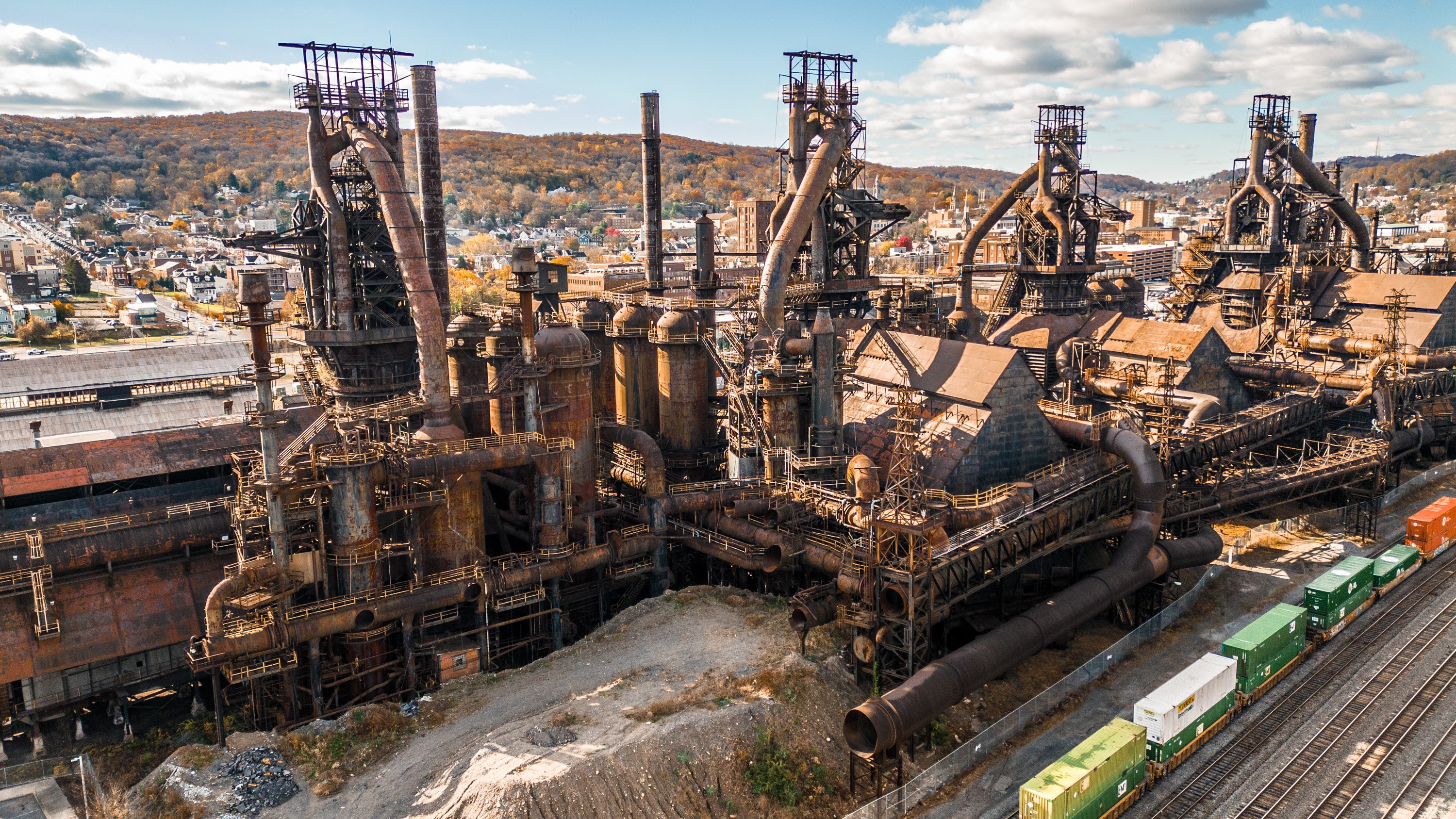
Many organisations today are operating with their own "pre-Bessemer" processes. They have a core workflow that is slow, expensive, and labour-intensive, but it is accepted as "just the cost of doing business." This bottleneck throttles the entire operation, limiting growth, frustrating customers, and consuming resources that could be deployed elsewhere. Like the steel industry before 1856, they are surviving, but they are not capable of true, transformative scale.
Henry Bessemer's genius was that he identified the single biggest constraint in steel production: the removal of impurities, specifically excess carbon, from pig iron. The old method involved heating and stirring it in a furnace for hours. Bessemer's solution was to blow air directly through the molten iron, which used the iron's own impurities as fuel to raise the temperature and burn themselves off. This radically simple, counter-intuitive idea was a complete paradigm shift. By focusing all his energy on solving this one critical constraint, he revolutionised the entire industry.

At MPX, our Business Analysis & Process Optimisation services are designed to help you find and solve the critical constraints in your operations. We don't just look for small, incremental improvements; we hunt for the "Bessemer-level" opportunities that can deliver a step-change in performance.
Our process begins with a deep, evidence-based analysis of your existing workflows to identify the true bottlenecks that are limiting your throughput and driving up your costs. We then work with your team to design and implement new, streamlined processes. By facilitating informed decision-making and fostering a culture of continuous improvement, we help you break through your old performance ceiling and achieve new levels of efficiency and productivity.
Map the Value Stream
Visually chart a core process from the very first input to the final output. Pay close attention to where work "queues" or waits. These queues are the most obvious symptom of a bottleneck.
Identify the Constraint
Find the one step in the process that every other step is waiting on. This is your primary constraint. It could be a machine, a person, or a policy.
Ask the "Bessemer Question"
Instead of asking "How can we make this bottleneck 10% faster?", ask "How can we eliminate this bottleneck entirely?" This disruptive question forces you to challenge your core assumptions and look for a truly transformative solution.
The Bessemer process is a powerful reminder that the "way we've always done it" is often the single biggest barrier to growth. By scientifically identifying and revolutionising your core bottlenecks, you can unlock new levels of performance and fundamentally change the playing field in your favour.
Contact MPX to learn how our process optimisation experts can help you find your own Bessemer-level breakthrough.