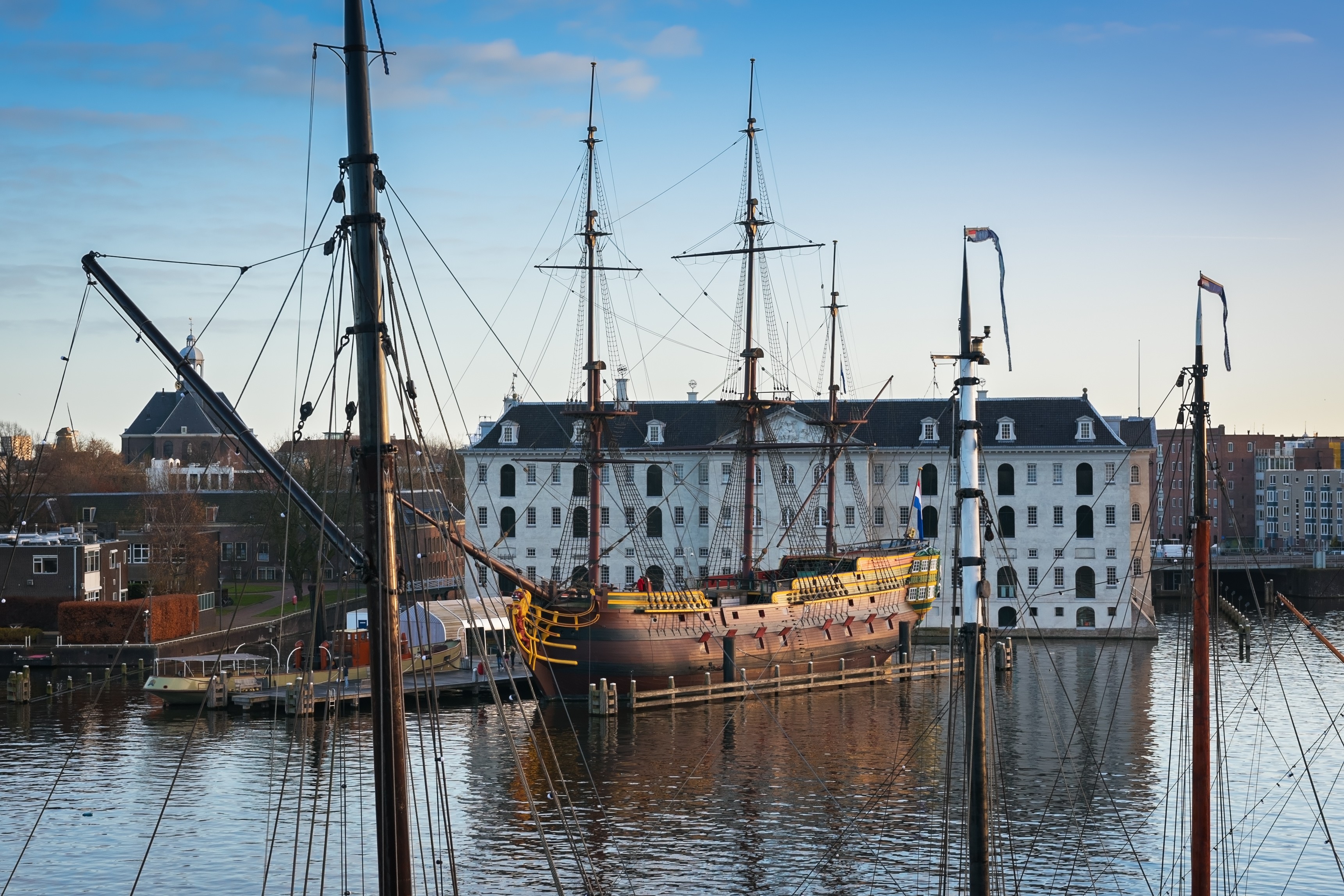


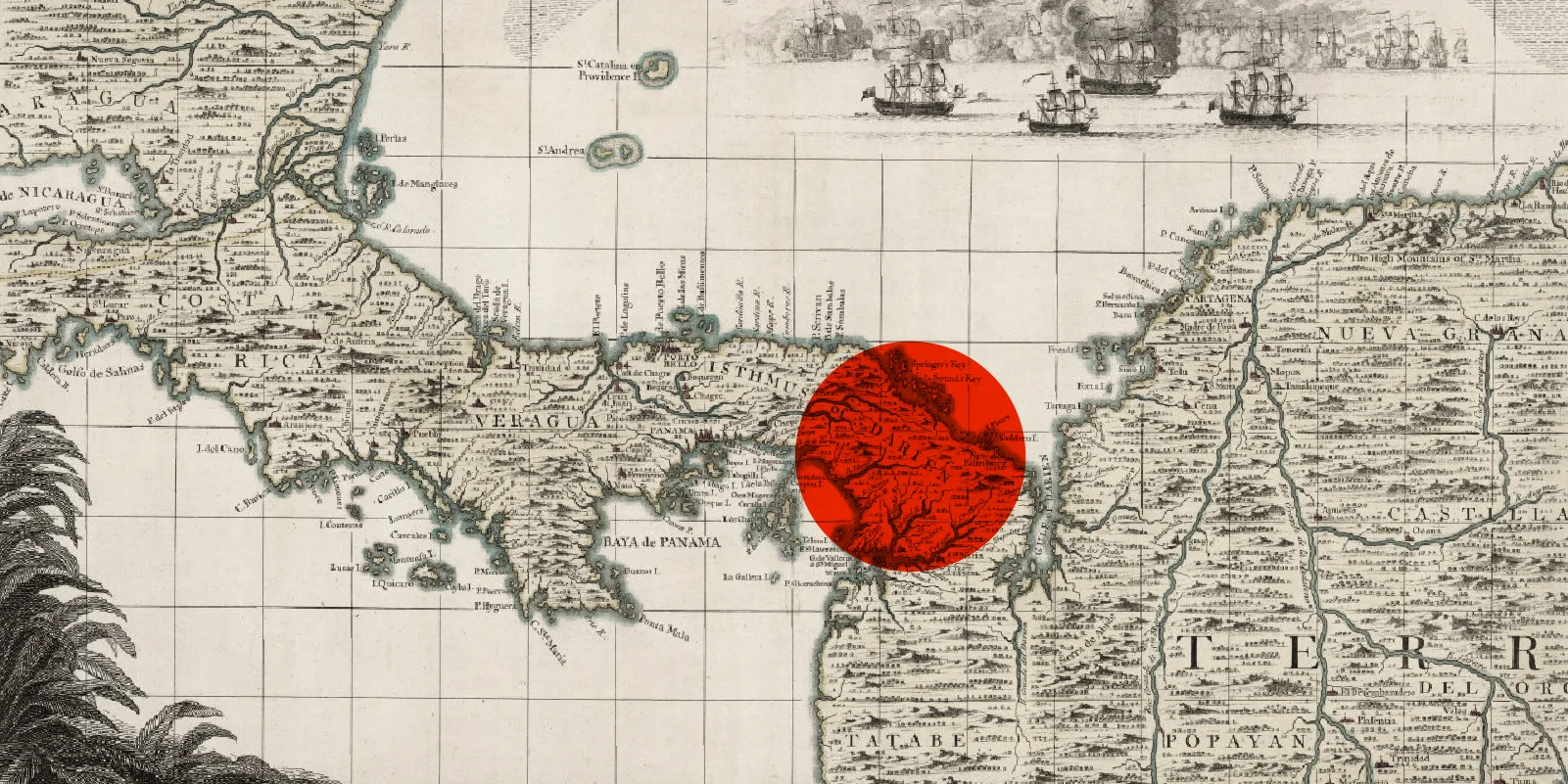
In 1698, the Kingdom of Scotland, gripped by economic crisis and famine, invested nearly a quarter of its entire available capital into a single, audacious project: the Darien scheme. The plan was to establish a colony, "New Caledonia," on the isthmus of Panama to create an overland trade route between the Atlantic and Pacific oceans. Less than two years later, the project had collapsed, over 2,000 colonists were dead, and the Scottish economy was in ruins.
This historical catastrophe is the ultimate case study in the consequences of failed project planning, divided leadership, and a complete lack of risk assessment.
Today, the same mistakes that doomed the Darien scheme are repeated in boardrooms and on project sites. We see projects launched with a "hope-based" plan:
The business case is built on optimistic, unverified assumptions.
The feasibility study is superficial or non-existent.
The strategic risks (geopolitical, environmental, technical) are ignored or underestimated.
The leadership is divided, with no single, clear line of accountability.
These projects are modern Darien schemes, and while the human cost may be lower, the financial and strategic consequences of their inevitable failure can be just as devastating.
The Darien scheme was doomed from the moment it was conceived. Its failure was a perfect storm of poor planning, all of which would be identified in a modern feasibility study:
Poor Planning & Provisioning
The ships were sent with inadequate food supplies and trade goods (like wigs and woollen blankets) that were useless in the tropics.
Failure of Risk Assessment
The planners ignored the region's climate (impenetrable jungle, unsuitable for agriculture) and the epidemic-level risk of tropical disease.
Divided Leadership
The colony was run by a council of leaders who feuded constantly, paralysing decision-making.
Geopolitical Miscalculation
They completely failed to anticipate a military response from the Spanish Empire, which already claimed the territory and ultimately besieged the settlement.

At MPX, our Strategic Planning & Implementation and Project Governance services are designed to be the antidote to the Darien disaster. We believe that a project's success is determined by the brutal honesty and rigour of its planning phase.
Our process is built to find and fix the flaws before capital is committed:
Rigorous Feasibility Studies
We conduct deep, data-driven analysis to pressure-test every assumption. We ask the hard questions about environmental, technical, and logistical risks.
Data-Driven Business Cases
We ensure the project's plan is built on verifiable data and is aligned with your core strategic goals.
Robust Project Governance
We design and implement Project Management Offices (PMOs) that establish clear leadership, unified reporting, and single-point accountability.
We provide the "Lifecycle Stewardship" that ensures your ambitious vision does not become a historical disaster.
Before you commit to your next major project, ask these four questions:
Are we planning for the actual terrain?
Is our plan based on data from the real environment, or on an idealised version of it? (e.g., Have we actually tested the soil, or just assumed it's suitable for building?)
Are our "trade goods" what the market needs?
Is our project's final output (the product or service) based on verified market demand, or are we just building something we think is a good idea?
Who is in charge?
Is there one single, empowered project leader, or are we being run by a committee with divided interests?
Who is our "Spain"?
What is the single biggest external risk (a competitor, a regulator, a market shift) that could kill this project, and what is our plan to manage it?
The Darien scheme is a tragic reminder that vision and ambition are worthless without rigorous planning and risk management. By investing in a foundation of data-driven strategy and clear governance, you can ensure your next great venture becomes a lasting success, not a cautionary tale.
Contact MPX to learn how our strategic planning services can de-risk your most ambitious projects.