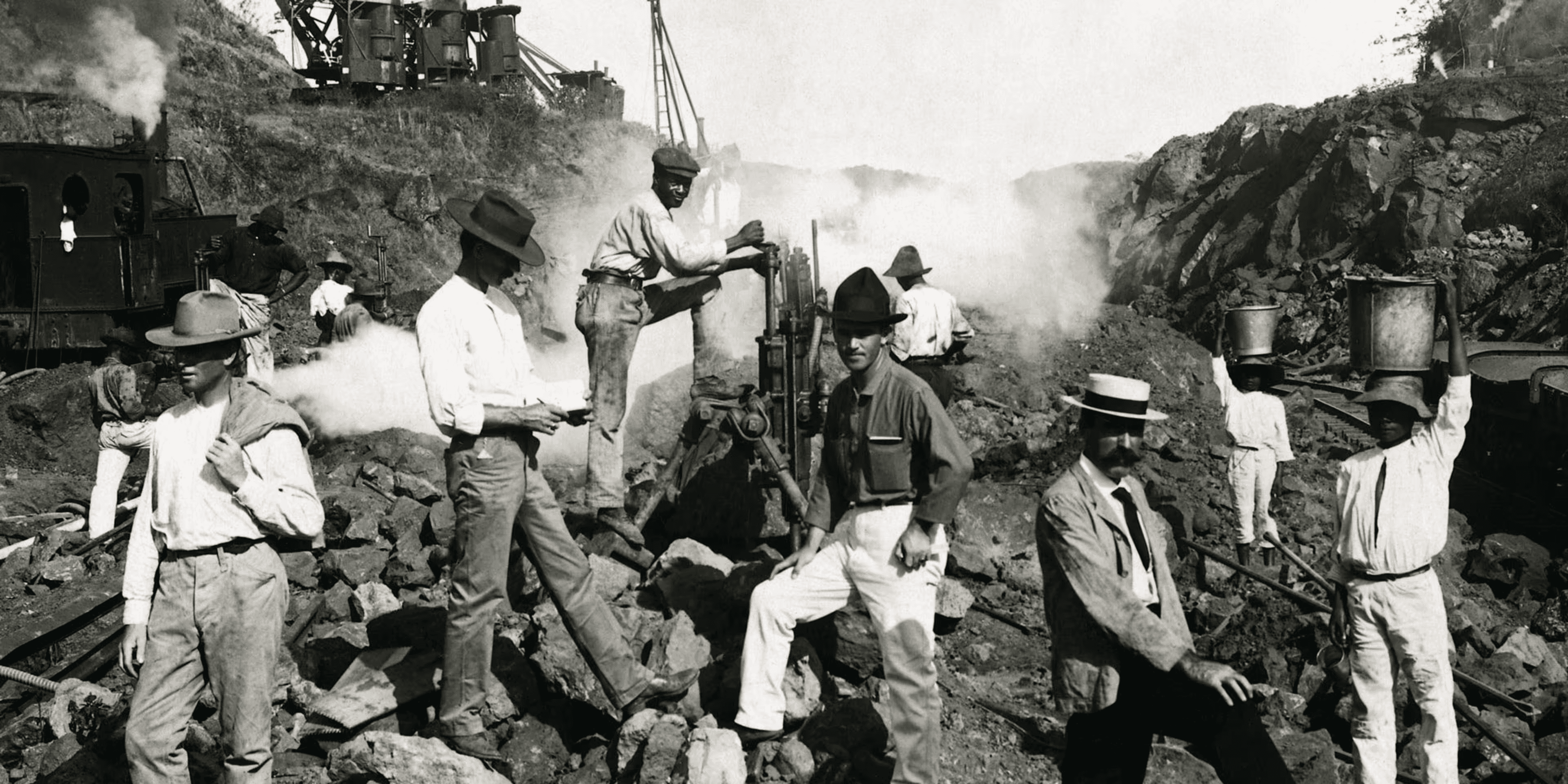


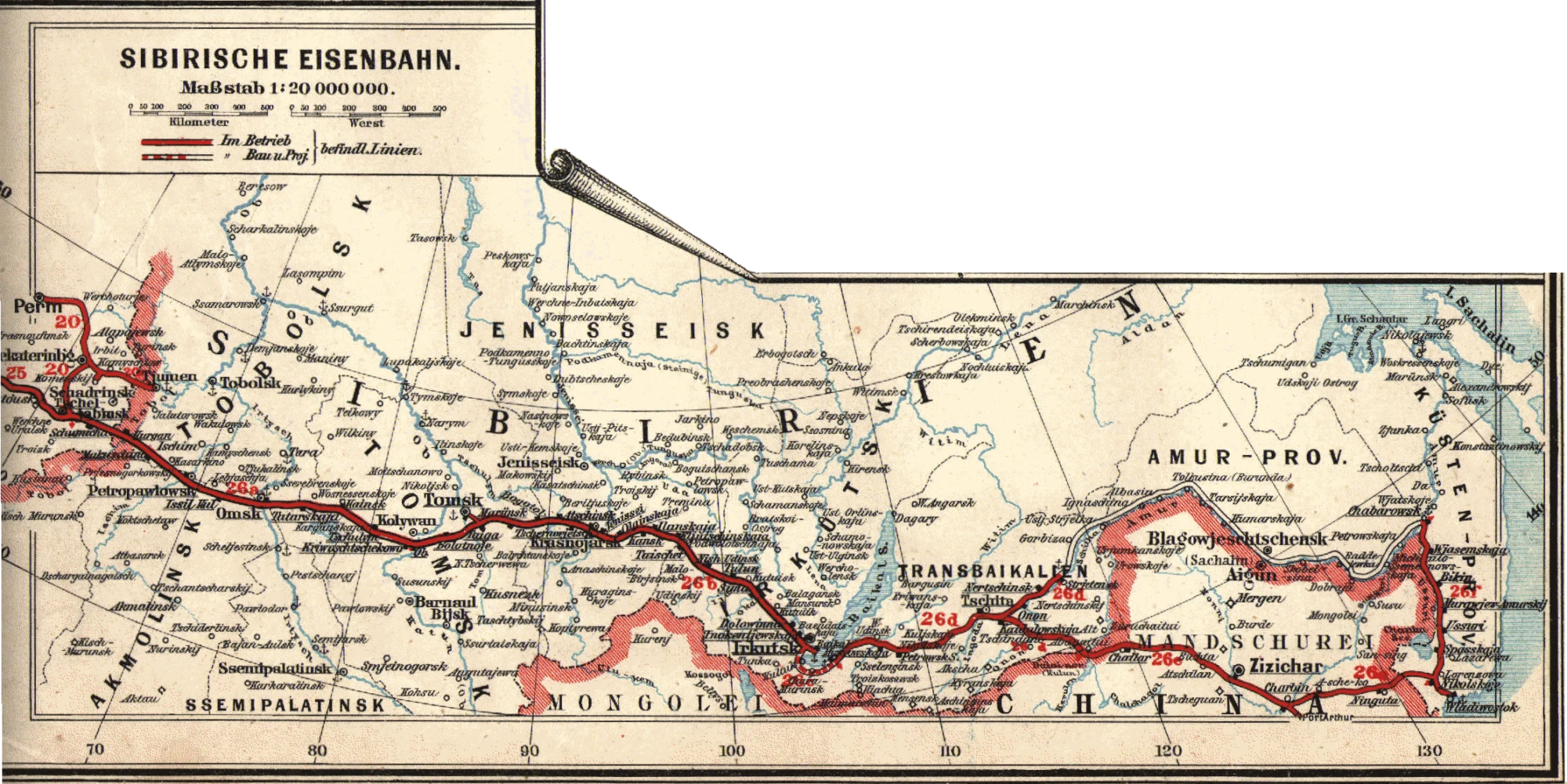
The Trans-Siberian Railway is the longest railway line in the world, a steel artery connecting Moscow to Vladivostok over 9,289 kilometres. Built at the turn of the 20th century, it was a project of unimaginable scale, driven less by economic efficiency and more by a bold, geopolitical vision. It was a logistical nightmare that required overcoming extreme climates, treacherous terrain, and immense supply shortages. This monumental undertaking serves as a powerful case study in the unique challenges of megaproject management.
This article explores the principles of strategic alignment and logistical mastery required to deliver a project of massive scale and complexity.
Today's industrial megaprojects—whether in mining, energy, or public infrastructure—are often just as complex as the Trans-Siberian. They are driven by broad strategic goals, such as securing a supply chain, achieving energy independence, or unifying a national economy. The primary challenge is not just engineering, but governance: how do you keep a decade-long, multi-billion dollar project with thousands of workers and hundreds of contractors aligned with its original strategic purpose, especially when faced with extreme logistical hurdles?
The Trans-Siberian Railway was built for one overarching reason: to solidify Russia's control over its vast eastern territories and project its power into the Far East. This clear, geopolitical goal, championed by Czar Alexander III, was the "guiding principle" that superseded all other concerns, including short-term financial prudence. This singular vision, combined with a "lavish" public works financing scheme, was the engine that pushed the project through every obstacle. It demonstrates that a megaproject can only survive the inevitable challenges if it is anchored to a powerful, non-negotiable strategic objective.

At MPX, our Project & Program Management services are designed for this level of complexity. We understand that a megaproject is not just a big construction job; it is a complex business initiative that requires a "lifecycle stewardship" approach. We work with clients from the very beginning to establish a strong foundation, including comprehensive business case evaluations and feasibility studies that ensure the project is perfectly aligned with organisational goals.
Once the project is underway, our Project Management Office (PMO) acts as the central command, implementing robust processes for status reporting, scheduling, and communication. This ensures that all stakeholders remain aligned and that leadership can make informed, data-driven decisions. We provide the governance and oversight to master the logistics and keep the "Great Siberian Route" of your project on track, on budget, and true to its strategic vision.
The Unifying Charter: Is the project's single, strategic purpose clearly defined in one or two sentences? This charter must be the ultimate tie-breaker for any dispute over scope, schedule, or budget.
The Single Source of Truth: Is there one, and only one, universally accepted report for project status? A strong PMO prevents the "multiple versions of the truth" that lead to chaos and poor decisions.
The Proactive Logistical Plan: Has your team identified the top 10 logistical or supply chain risks that could derail the project? What is the mitigation plan for each?
The Trans-Siberian Railway is a testament to the power of a singular vision to overcome seemingly impossible logistics. For a modern megaproject to succeed, it requires that same clarity of purpose, backed by a rigorous and disciplined system of project governance.
Contact MPX to learn how our project and program management services can bring clarity and control to your most complex initiatives.