
The construction of the Panama Canal was a monumental feat of engineering, a project that fundamentally reshaped global trade. But this triumph was built on a foundation of human tragedy. The first attempt, by the French, was defeated not by engineering challenges, but by two invisible killers: yellow fever and malaria. The American effort that followed only succeeded because it declared war on these diseases before moving the first shovelful of earth. This brutal chapter in history provides the ultimate lesson in health and safety leadership: in a high-risk environment, you must master the hazards before you can begin the work.
This article explores why a proactive, systems-based approach to health and safety is not just a compliance issue, but the non-negotiable prerequisite for operational success.
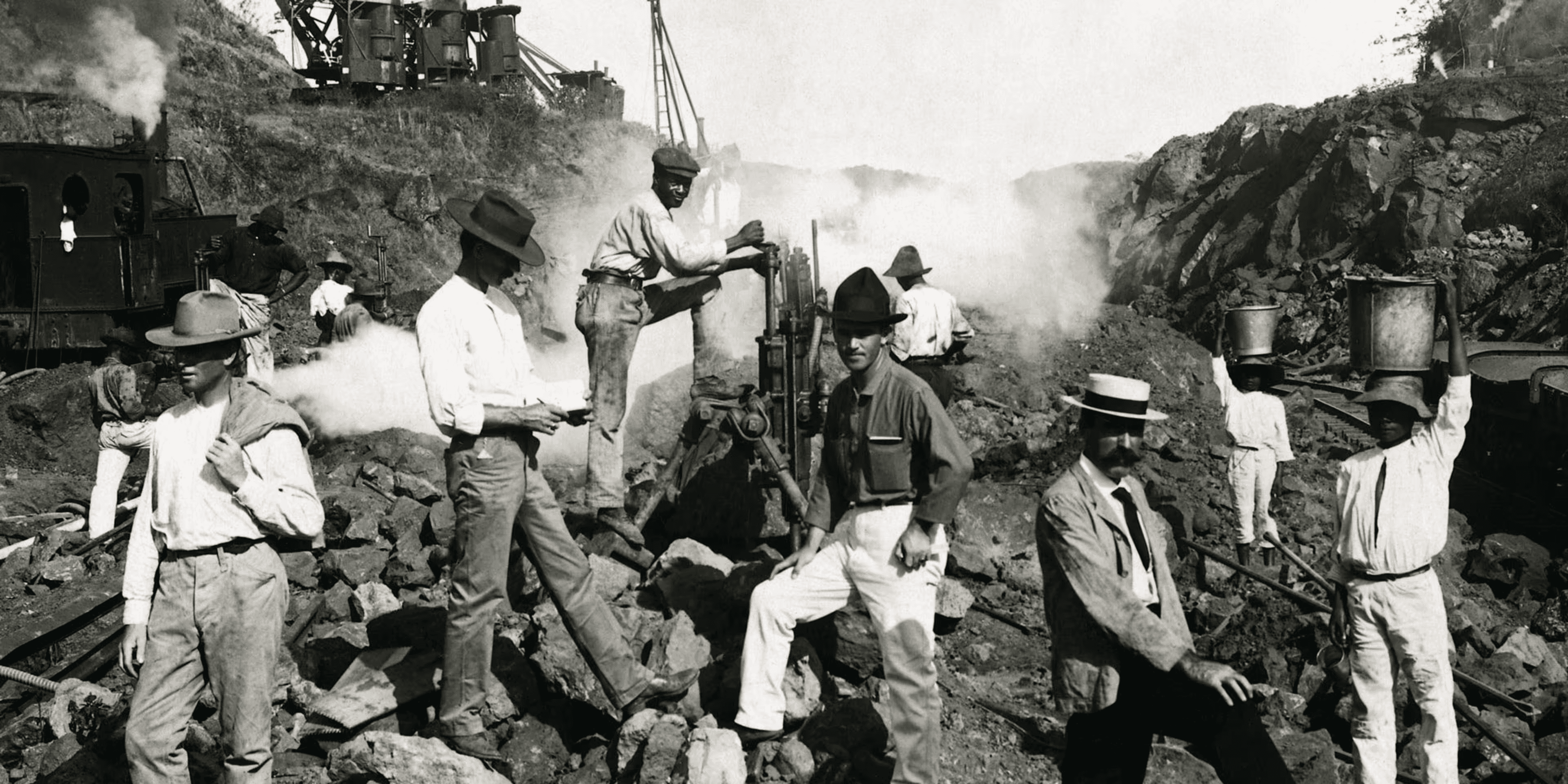
In modern heavy industry, our "yellow jack" is not a mosquito; it's complacency. It's the uninspected piece of equipment, the uncalibrated sensor, or the unmitigated risk of a landslide or equipment failure. The "dynamite" is the unstable process, the poorly communicated procedure, or the single point of failure in a control system. These hazards, both visible and invisible, pose a constant threat to our people and our projects. A reactive safety culture—one that waits for an incident to occur before taking action—is simply not viable.
The American success in Panama began with one man: Dr. William Gorgas, the Chief Sanitary Officer. Gorgas understood that the canal could not be built unless the environment was first made safe. He launched a massive, systematic public health campaign to eradicate the disease-carrying mosquitoes. This involved fumigating cities, draining swamps, installing screens, and quarantining infected workers in "fever cages." This meticulous, top-down, and data-driven approach to health management eliminated yellow fever from the Canal Zone in just a few years, a feat that was as impressive as the canal itself.

At MPX, our approach to Health & Safety Leadership is built on this "Gorgas principle." We believe that a safe project is the result of a deliberate, engineered system, not hope or good luck. Our commitment is to prioritise the well-being of all personnel by embedding safety into the design of the work itself.
We deploy qualified, experienced, and highly trained supervisors to oversee works in high-risk environments, ensuring strict adherence to safe systems of work. This hands-on oversight, combined with our expertise in functional safety and control systems, allows us to identify and mitigate hazards—from the procedural to the technical—before they can cause harm. We foster a culture of safety and excellence through vigilant monitoring and proactive risk management, ensuring the work environment is controlled so the work can proceed.
Identify and Attack the "Vector"
Gorgas didn't just treat patients; he eliminated the mosquitoes. What is the source of your biggest risk? Don't just manage the symptom (e.g., providing PPE); engineer a solution that eliminates the hazard at its source.
Make Safety Non-Negotiable
The sanitation work in Panama was not optional, and it was not secondary to the engineering. Safety must be a core project value, not a "nice to have." Your leadership must demonstrate an unwavering, visible commitment to this principle.
Use Data to Drive Decisions
Gorgas's team meticulously tracked infection rates and mosquito populations to measure the effectiveness of their interventions. Use leading indicators (like safety observations, near-miss reports, and audit results) to manage safety proactively, rather than lagging indicators (like injury statistics).
The Panama Canal taught the world a harsh lesson: engineering brilliance is useless if it cannot protect its people. A modern, successful operation must be built on a foundation of proactive, systematic, and non-negotiable safety leadership.
Contact MPX to learn how our Health & Safety and Operational Excellence services can help you build a more resilient and secure workplace.