


Before the 1840s, information moved at the speed of a horse or a ship. Business decisions, military strategy, and global news were all constrained by a lag of days, weeks, or even months. The invention of the commercial electric telegraph by Samuel Morse and others was not just a new way to communicate; it was a fundamental re-engineering of the world. For the first time, information was decoupled from transportation, and the concept of "real-time" operational data was born.
This 19th-century revolution holds a powerful lesson for modern industry, where many companies are still operating with a "pre-telegraph" mindset.

In many industrial operations, critical data still moves at the speed of a "horse and rider." Operators write down hourly readings on a clipboard, which are then manually entered into a spreadsheet at the end of a shift, which is then compiled into a report for management a day later. This information lag means that by the time a manager sees a problem (like a drop in efficiency or a rise in equipment temperature), the data is already hours or even days old. They are forced to manage the past, not the present.
The telegraph's impact was immediate and profound. It enabled businesses to coordinate supply chains across continents, it allowed for the creation of global financial markets, and it gave leaders the ability to command distant operations in near real-time. The principle was clear: the speed and quality of your information directly dictates the speed and quality of your decisions. An organisation with a 10-minute information lag will always defeat an organisation with a 10-day lag.
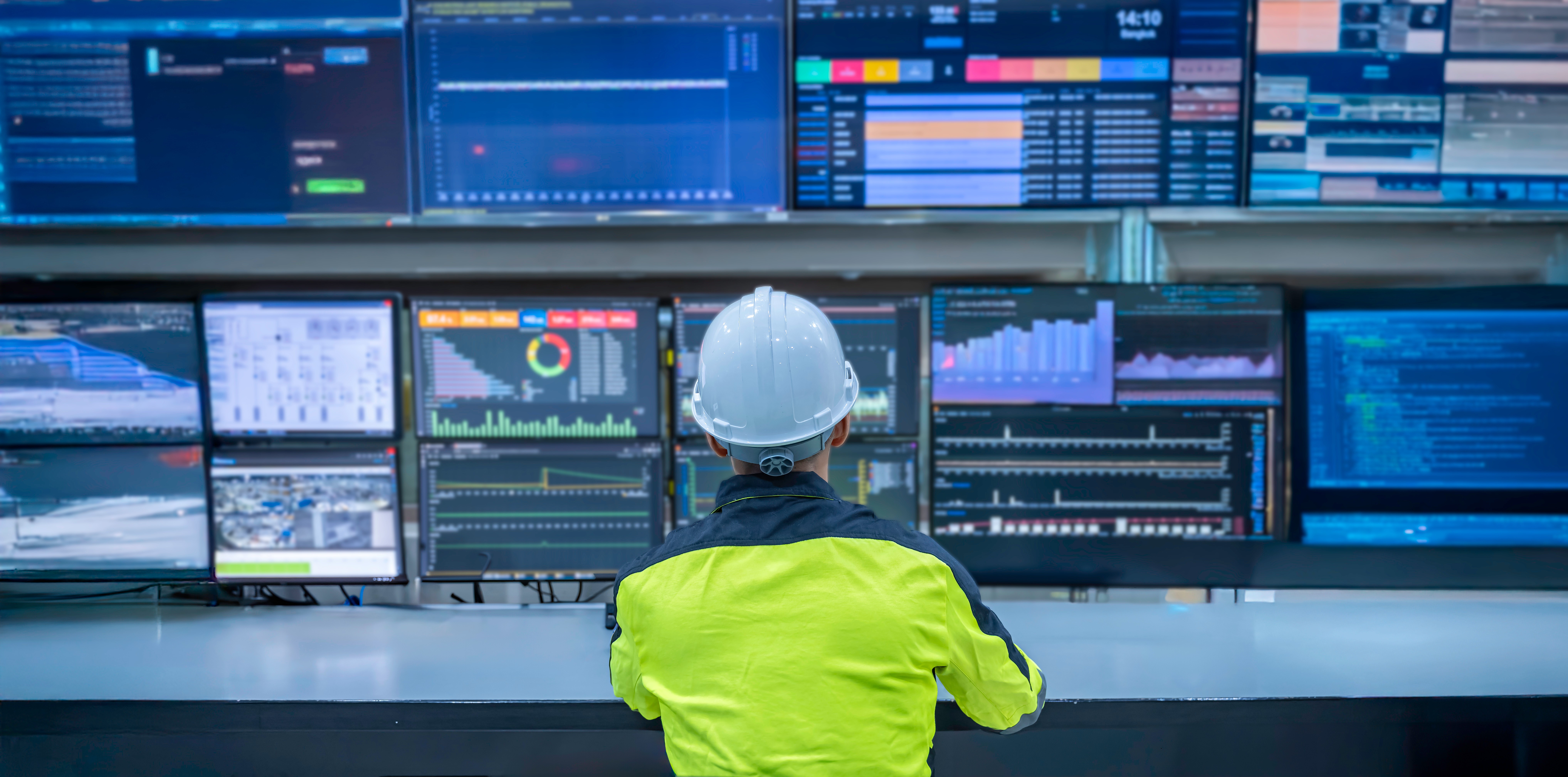
At MPX, our Telecommunications & Network Engineering services are designed to be your modern telegraph system. We build the high-speed, reliable digital infrastructure that is essential for real-time operational management. We understand that a robust network is the foundation of a modern, data-driven operation.
We specialise in:
OT/IT Integration
We design the architecture that bridges the gap between your on-site operational technology (OT) and your corporate IT systems, allowing data to flow seamlessly from the sensor to the boardroom.
Industrial Network Engineering
We build the "wires" (whether fibre, wireless, or private LTE) that are robust and resilient enough to handle the harsh environment of an industrial site.
Data Flow & Cybersecurity
We ensure that your data is not only fast, but also secure, applying layered security principles to protect your critical operational information as it moves across the network.
We give you the power of "now," enabling you to manage your operations with real-time data, not historical reports.
What is our "decision lag"?
What is the average time between a critical event happening on-site (e.g., a pump failure) and the key decision-maker (e.g., the plant manager) being notified? Is it measured in seconds or hours?
Where is our "Clipboard"?
What is the most critical piece of operational data that is still being collected or transferred manually? This is your biggest information bottleneck.
Is our "wire" secure?
As our operational data becomes more connected, what new security vulnerabilities are we creating, and what is our plan to mitigate them?
The telegraph taught the world that the future belongs to the fast. In modern industry, this is truer than ever. By investing in a robust, integrated, and secure network, you can eliminate information lag and empower your team to lead from the present.
Contact MPX to learn how our telecommunications and network engineering experts can build your real-time data backbone.